
Title : Microfluidic platforms for pore‑scale investigation of sulfate‑reducing bacteria under hydrogen storage conditions
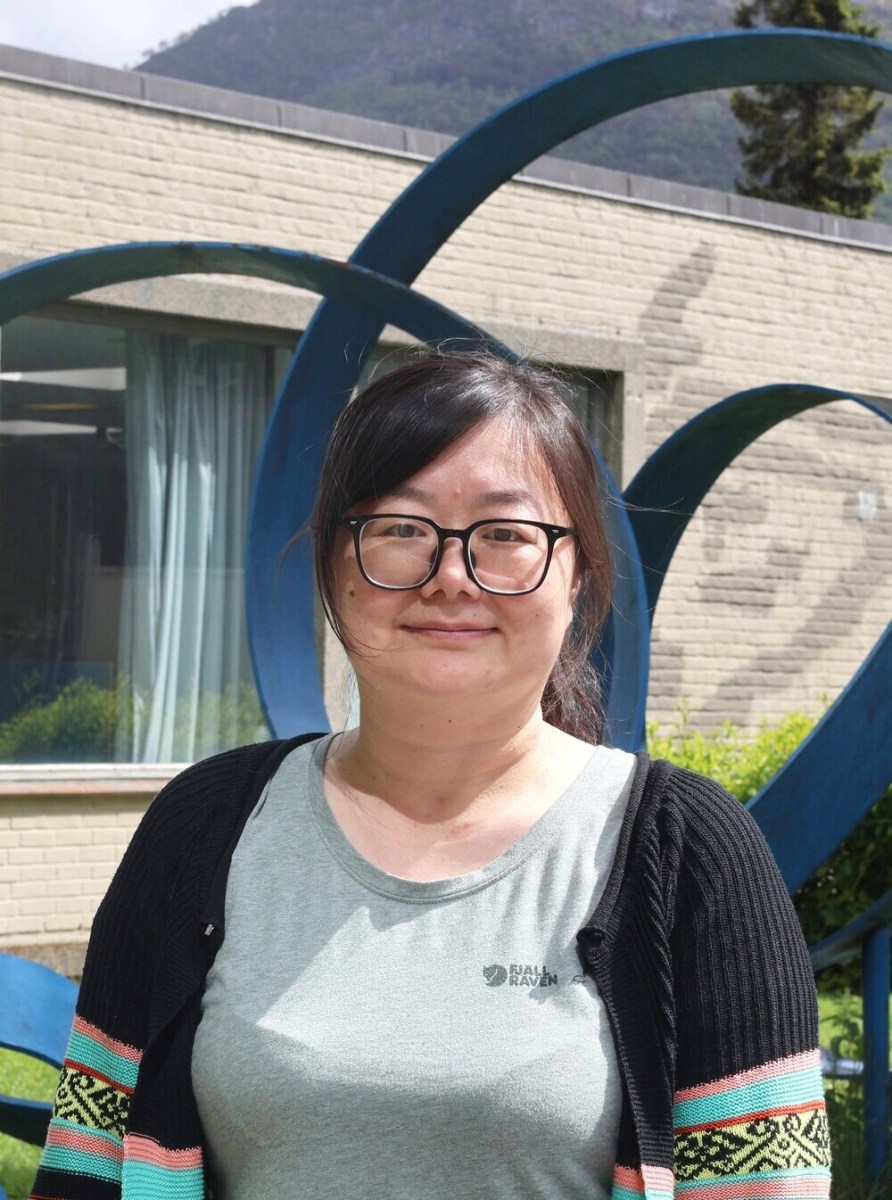
Speaker: Dr. Na Liu is a Research Scientist at the University of Bergen specializing in pore-scale processes in porous geological media. Her research integrates microfluidic experiments, imaging, and geochemical analysis to investigate multiphase flow, mineral–fluid interactions, and microbial processes affecting subsurface hydrogen behaviour. Within the Centre for Sustainable Subsurface Resources, she serves as Deputy Leader of Work Package 2, contributing to research on coupled transport and reactive processes in subsurface energy systems.
Date: 24th April 2026
Below are the key highlights from the webinar, including a short summary designed for our non‑technical audience.
Scientific summary 🔬
This webinar presented recent research on using microfluidic pore‑scale platforms to study hydrogen transport, mineral reactions and microbial activity in subsurface environments, with relevance for underground hydrogen storage and related subsurface energy applications.
The work demonstrated how microfluidic models—simplified, transparent representations of porous rocks—enable direct observation of coupled flow, chemical and biological processes that are difficult to isolate in larger‑scale experiments. Three complementary reactive microfluidic platforms were compared:
- High‑pressure silicon–glass microfluidic chips enabling dynamic hydrogen flow experiments under elevated pressure and temperature, suitable for studying flow–reaction–microbe coupling under controlled conditions.
- Polymer‑based chemical microfluidic chips combined with Raman spectroscopy, allowing spatially resolved chemical mapping of mineral dissolution and precipitation at gas–liquid interfaces.
- Real‑rock thin‑section microfluidic chips, preserving natural pore structures and mineral distributions to maximise geological realism.
Experimental examples showed how hydrogen flow influences microbial growth, biofilm formation and mineral dissolution, and how these processes in turn alter flow pathways and gas transport. The comparison highlights that no single platform can fully represent subsurface complexity, and that integrating multiple microfluidic approaches is essential for linking pore‑scale mechanisms to reservoir‑scale behaviour.
Non‑technical summary 🌍
Storing hydrogen underground is one way to support a future low‑carbon energy system, but the underground environment is complex and difficult to observe directly. Rocks contain tiny pores and channels where gas, water, minerals and microorganisms interact over time.
In this webinar, researchers showed how very small laboratory “rock‑on‑a‑chip” models 🔬 can be used to watch these processes as they happen 👀. Some experiments focus on how hydrogen flows through rock pores, others on how microbes grow and form slimy layers that can block flow, and others on how minerals slowly dissolve or form 🪨. By combining different experimental approaches, scientists gain a clearer picture of how underground hydrogen storage really works, helping reduce uncertainty and improve long‑term storage strategies ⚡.