Interpore 2024

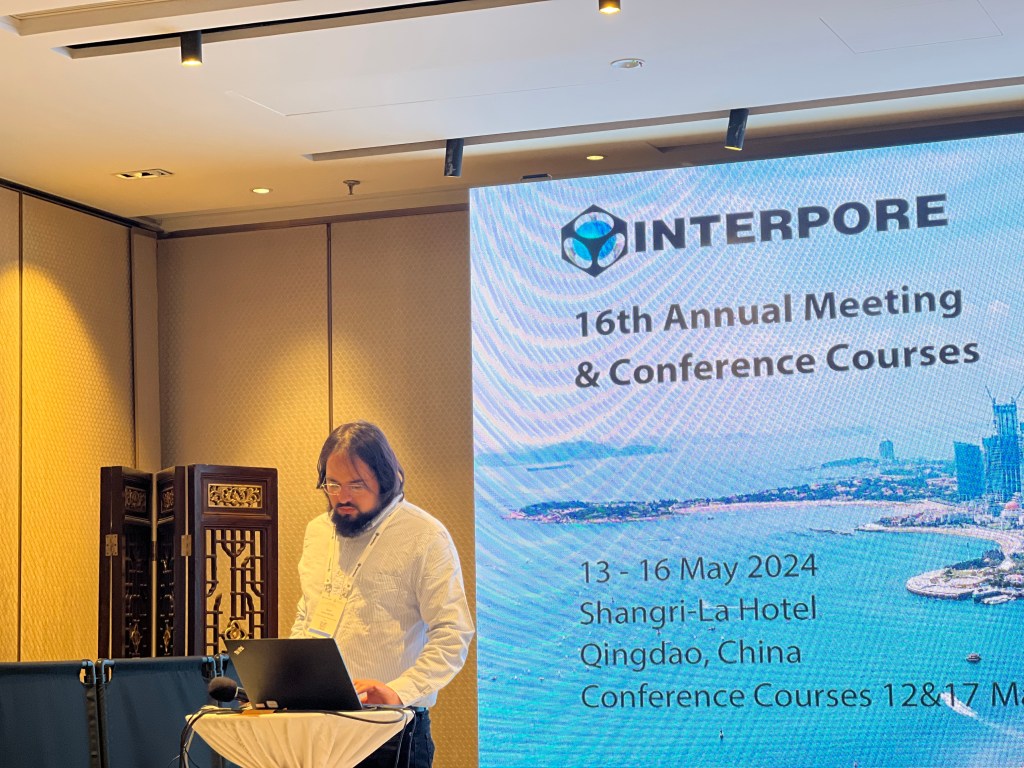
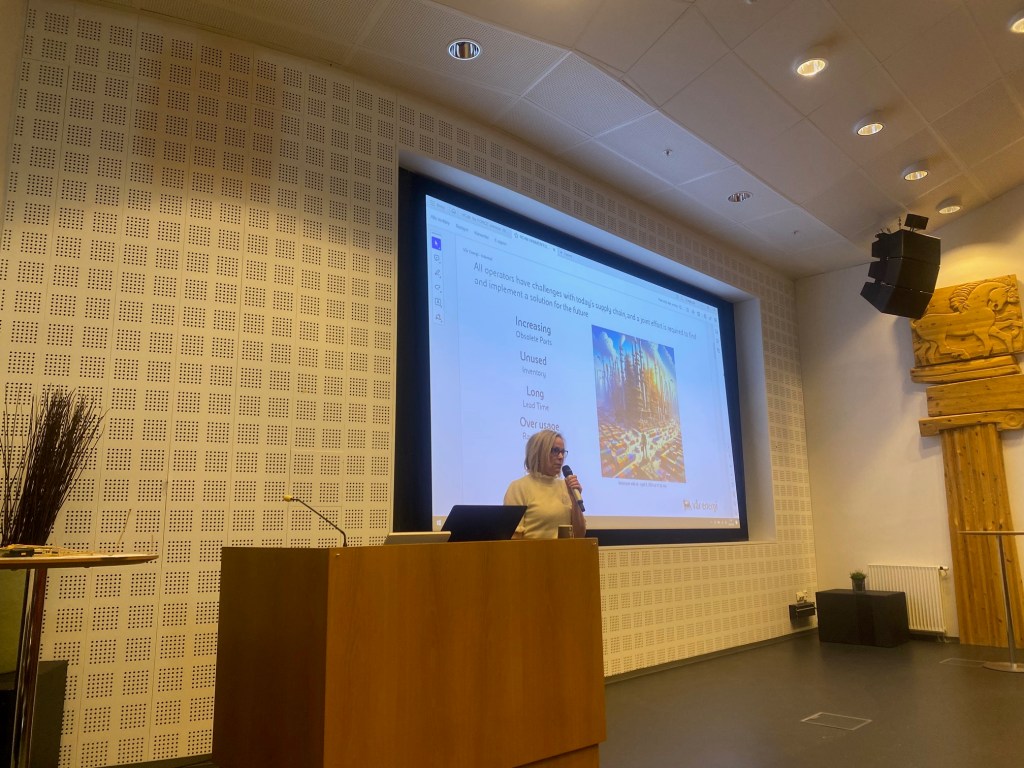
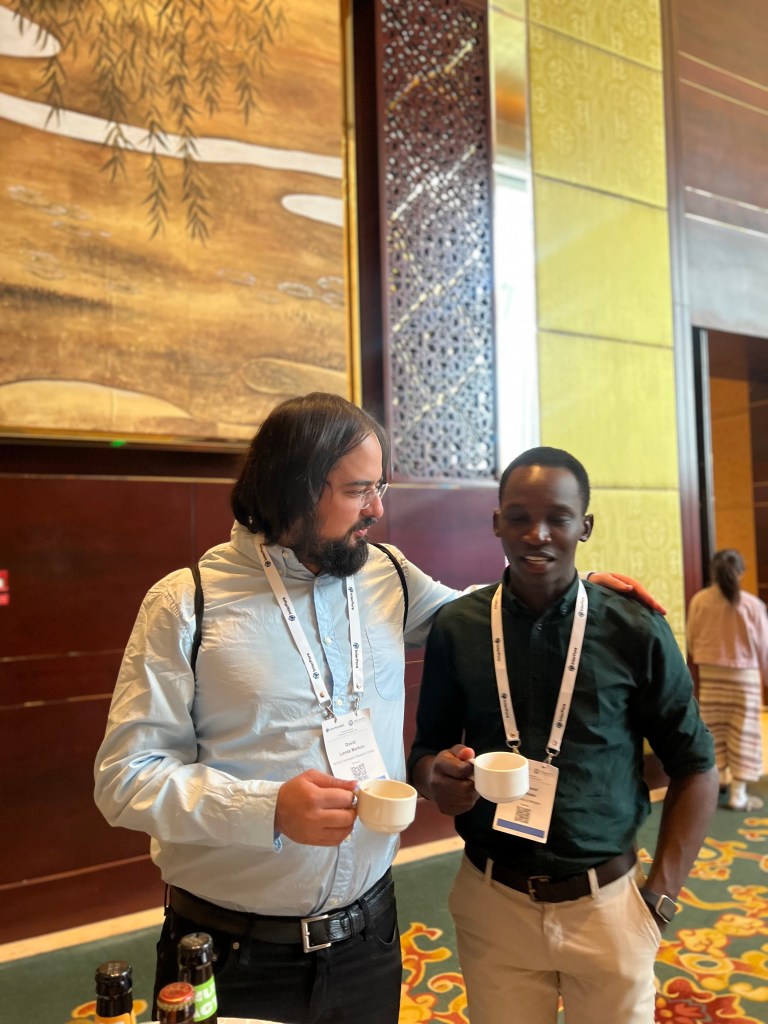
The InterPore 2024 conference, held from May 13-16 in Qingdao, China,
was a significant event for researchers and professionals in the field
of porous media. This year’s theme, “Porous Media and Biology,”
explored the intersection of porous media with biological systems, including applications in living organs, plants, medicine, soil, and oil and gas reservoirs. The conference featured a diverse range of topics such as transport phenomena, multiphysics-multiphase flow, geothermal energy, CO2 sequestration, and energy storage. Attendees had the opportunity to engage in four plenary lectures, eight invited lectures, and numerous parallel sessions, providing a comprehensive overview of the latest advancements and research in the field.

Researchers from CSSR showcased their work on multiphysics-multiphase flow in porous media, emphasizing advancements in geothermal energy and CO2 sequestration. These presentations underscored the innovative research being conducted in Norway, contributing to the global understanding of porous media and its applications in sustainable energy solution.

Presentations with CSSR involvement:

  • “Field-scale mathematical modelling and simulations of biofilm effects in hydrogen storage”. D. Landa-Marbán, S. Tveit, T. H. Sandve, and S. E.Gasda. InterPore2024, Oral presentation.
  • “Predicting ultimate hydrogen production and residual volume during cyclic underground hydrogen storage in porous media using machine learning.”Raymond Mushabe, David Marbán Landa, Tor Harald Sandve
  • “Bioclogging during underground hydrogen storage: Assessing impact of biofilm formation on hydrogen injection and recovery”. Na LIU, Nicole Dopffel, Martin Fernø. InterPore2024, Oral presentation.

CSSR Partner Workshop- May 2024

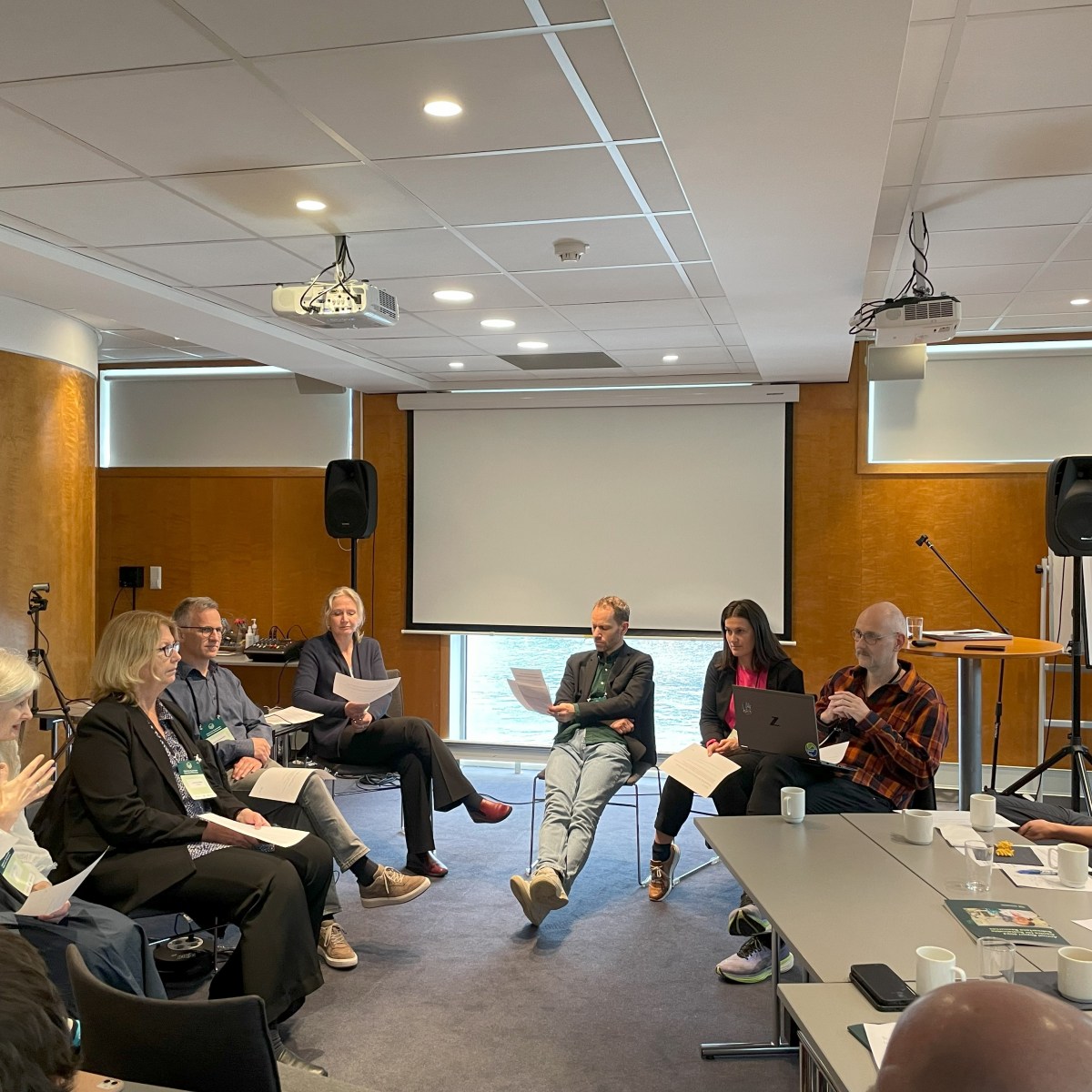
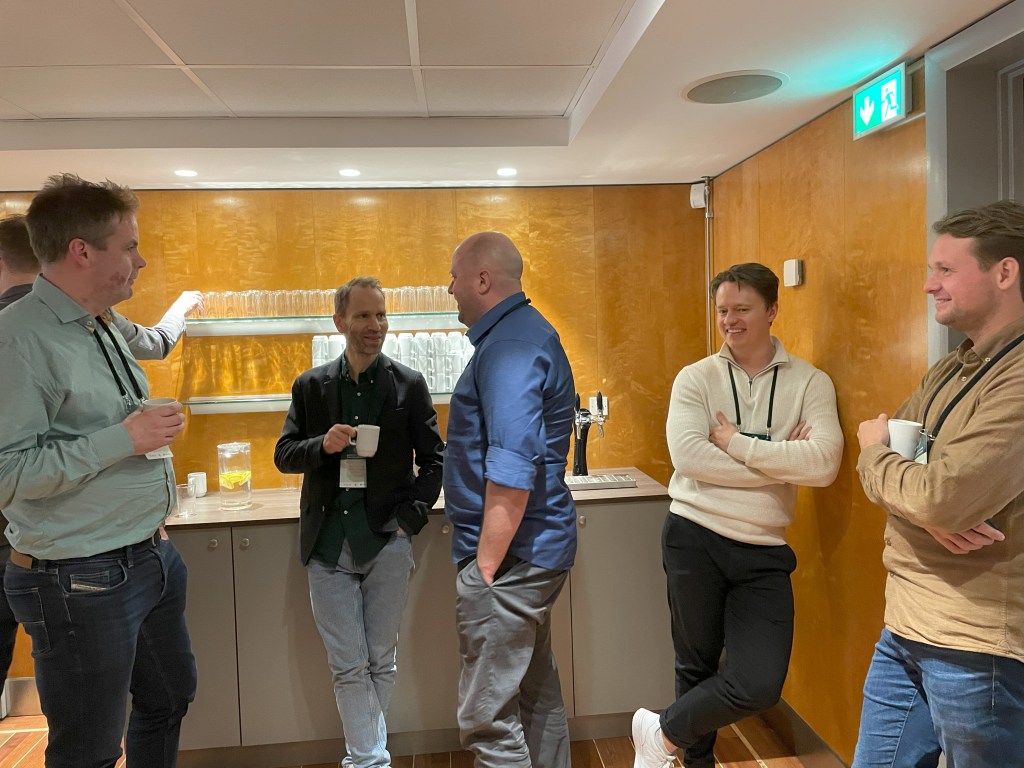
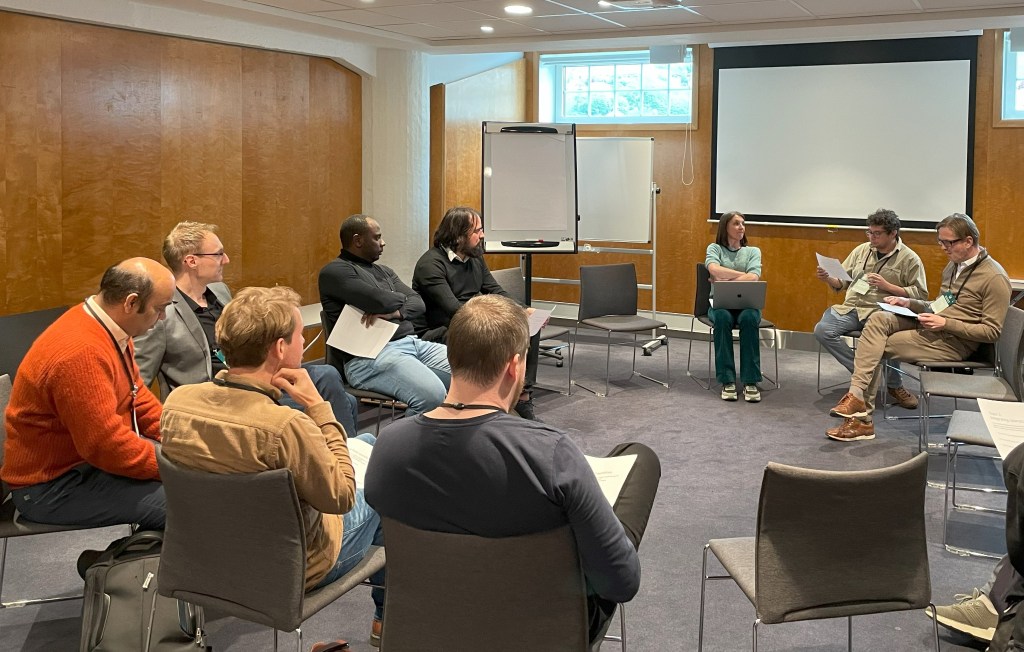
The partner workshop is an occasion to bring together the research partners NORCE, UiB and the CSSR industry partners. This year the event took place at Clarion Hotel Admiral, Bergen on 7-8th May 2024 with approximately 50 participants. Thank you to everyone who participated and contributed to the success of the event.

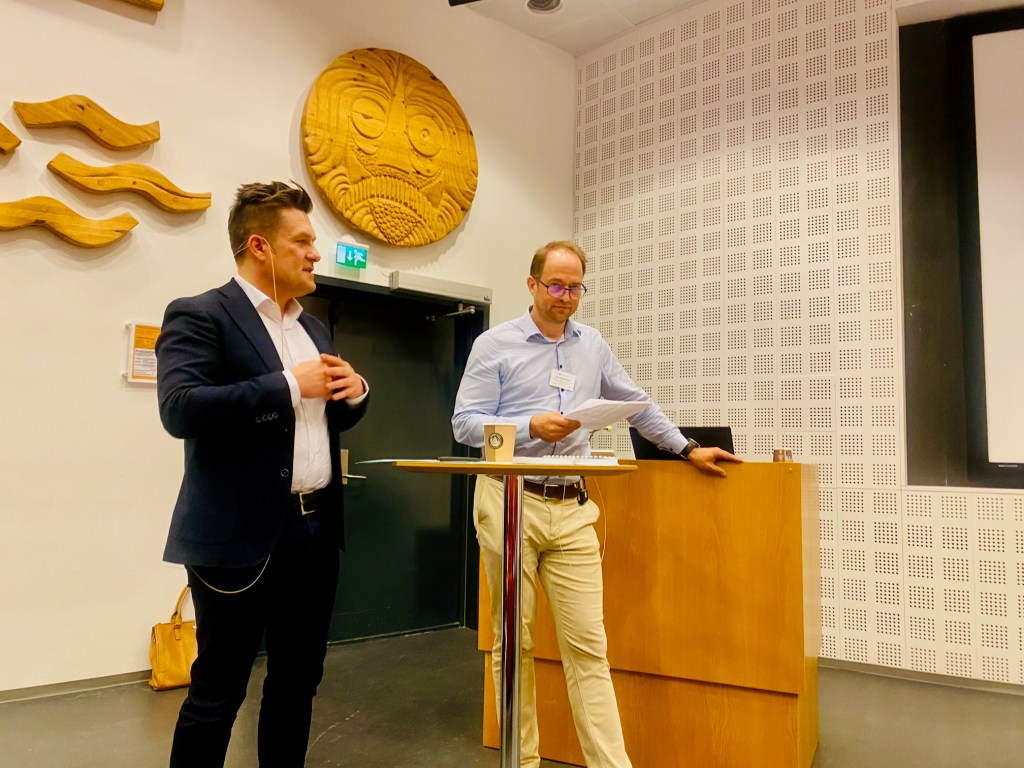
The meeting started with an update on the research progress and activities at the center by the CSSR director Sarah Gasda. The workshop had two scientific sessions : Integrating Laboratory and Field Workflows, and Digital innovations for optimal use of the subsurface. The scientific presentations were followed by a break out group session where the participants were divided in two groups – with the discussion points convened together in a plenary discussion session.

The key takeaway from the first plenary discussion was the need to align the multiscale modelling and simulations with the laboratory works. The second day involved plenary discussion on the identification of bottlenecks – and their possible remedy – in the digital innovations and their adoption by the industry.

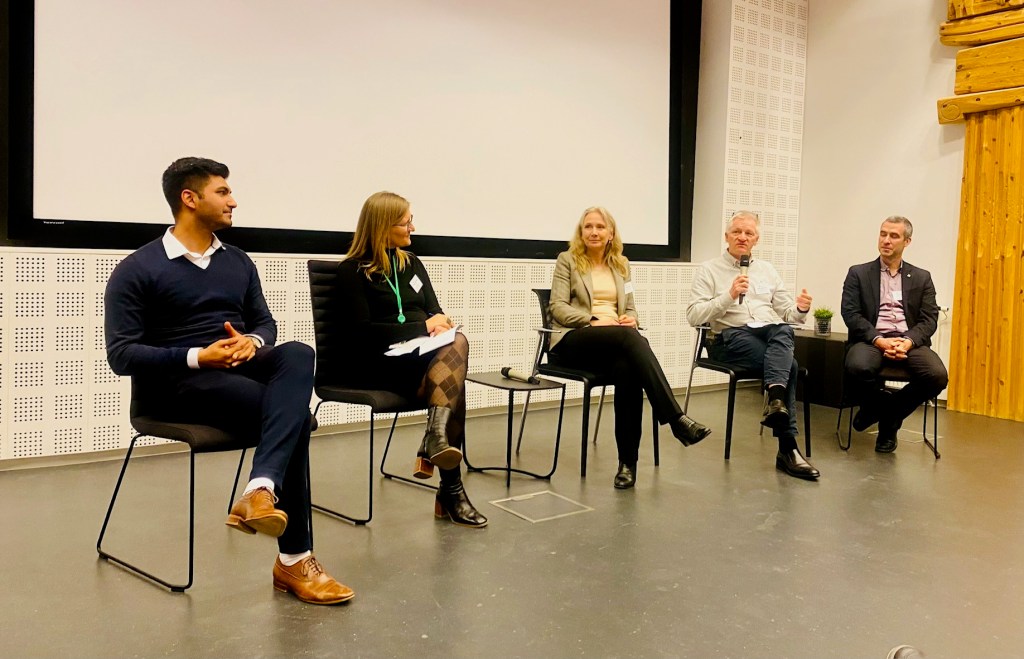
Our esteemed guests from above left: Margrete Hånes (Equinor); right: Ketil Djurhuus (NORCE) and Bastian Köhrer (Wintershall DEA); below left: Janiche Beeder, Espen Kowalewski and Dag Standnes (Equinor).

CSSR Joint Industry Workshop- April 2024

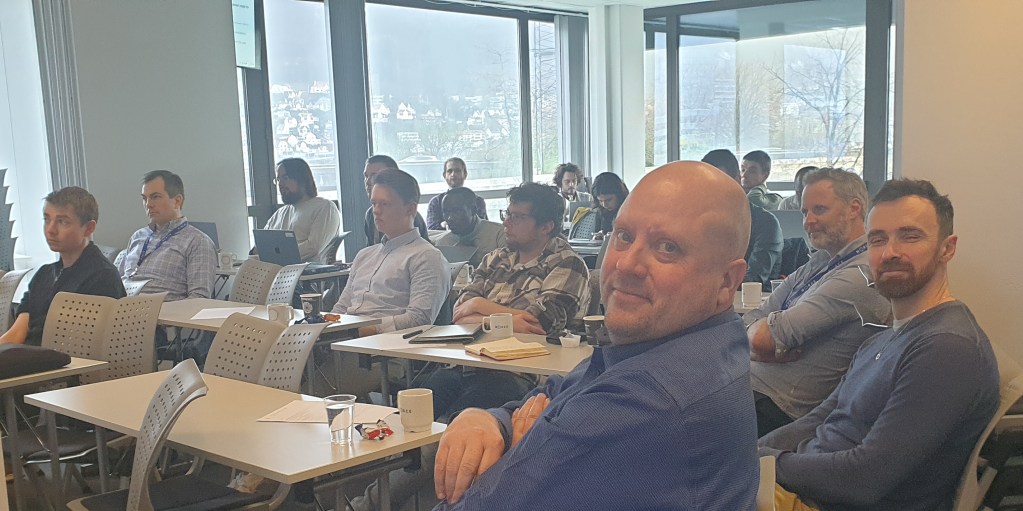
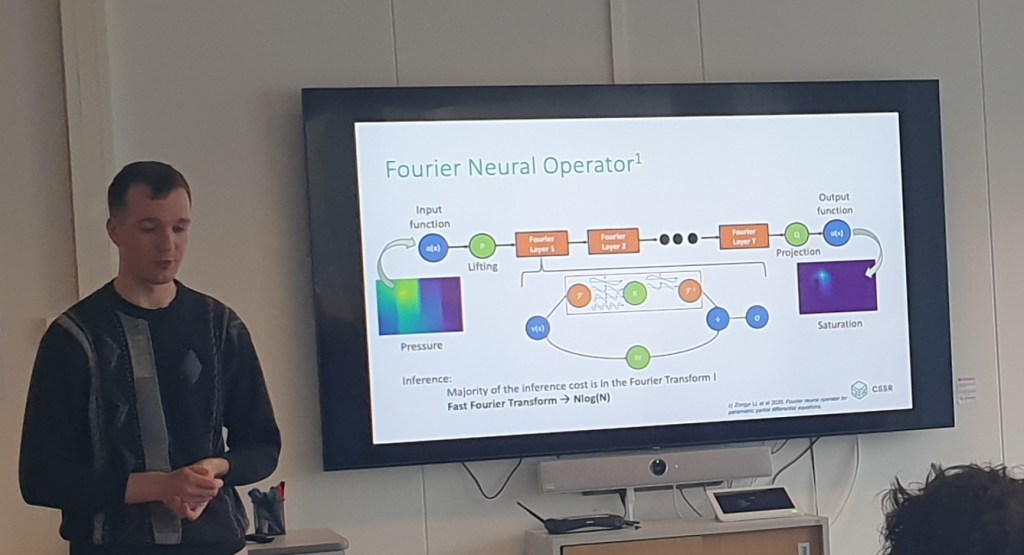
We’re thrilled to share that the CSSR recently hosted a groundbreaking hybrid Joint Industry Workshop in Bergen on the 16th of April 2024! The topic of the workshop was – Data-driven approaches to improving modelling, simulation, and optimization

With robust research in machine learning and active partnerships with industry leaders and NORCE in general, CSSR was able to bring together nearly 40 participants, including researchers, operators, and service providers of CSSR. This workshop provided a unique opportunity for participants to share experiences and interact with each other. Feedback from the participants was overwhelmingly positive, describing the program as intriguing, educational, and timely. The workshop concluded with a delightful social get-together with pizza, leaving all participants inspired and sated. CSSR continues to be at the forefront of data-driven innovation, driving change and growth in an ever-evolving industry.

Presentations at the workshop:

Tai Xue-Cheng (Norce)Deep Neural Networks for flow simulations and PDE optimization problems
Pit Arnold (Wintershall Dea)Coupling Digital Rock Analysis with Machine Learning and Custom Laboratory Solutions for Enhanced Simulation Accuracy
Thom van der Heijden (Equinor) and Tobias Müller (Equinor)Data driven predictions & decisions
Olwijn Leeuwenburgh (TNO)Hybrid Data-Physics Modelling for Reservoir Performance Prediction
Kristian Fossum (Norce)Ensemble History-Matching Workflow Using Interpretable Spade-Gan Geomodel
Mathias Nilsen (Norce) Wind-powered Well Control Optimization
Peter Moritz von Schultzendorff (UiB)A machine-learned near-well model in OPM Flow
Antoine Lechevallier (Norce) Hybrid Newton’s method for acceleration of reservoir simulation
Rolf Lorentzen (Norce) Adaptive surrogate modeling to accelerate PDE-constrained optimization
Jan Martin Nordbotten (UiB) Integrating models of different character and complexity: Lessons from the past and warnings for the future
Tor Harald Sandve (Norce)Summary, discussion, CSSR perspectives

Thank you to Rolf Johan Lorentzen(WP 3 leader) and Tor Harald Sandve(WP 4 leader), who organized the workshop, and to all who contributed to making it a success.

OPM SUMMIT OSLO APRIL 9-10, 2024

On April 9-10, 2024, the Open Porous Media (OPM) Summit was hosted in Oslo. The OPM initiative promotes open innovation and reproducible research in modeling and simulating porous media processes. It coordinates collaborative software development, maintains and distributes open-source software and datasets, and strives to ensure these resources remain available under a free license in the long term.

CSSR participation at the summit:

CSSR Contributors Title
David L Marban (NORCE)SPE 11 scripts and framework
Birane Kane (NORCE)Machine learning module in OPM
Håkon Hægland (NORCE)Taming a collaborative Reference Manual
Antoine Lechevallier (NORCE)ML based Newton preconditioners [PPTX with video]

FORCE : Joining Forces ,April 2024

FORCE: Joining Forces– Solving the energy challenges together was a one-day seminar organized by The Norwegian Offshore Directorate (SoDir), which aimed to enhance collaboration between the energy industry and Norwegian academic and research institutions, with the ambition of fostering valuable R&D projects addressing the key challenges confronting the energy sector today.
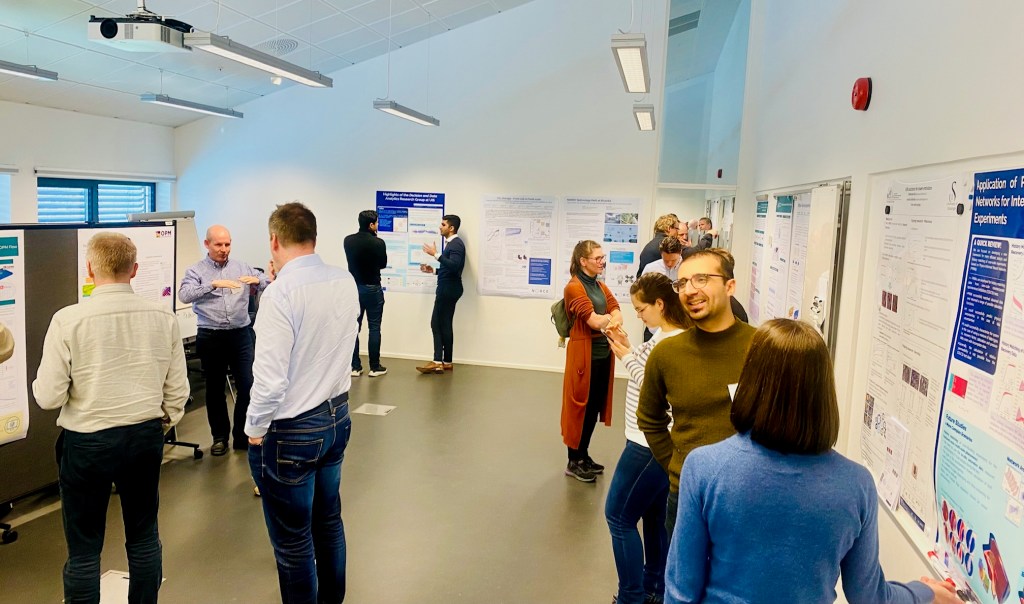
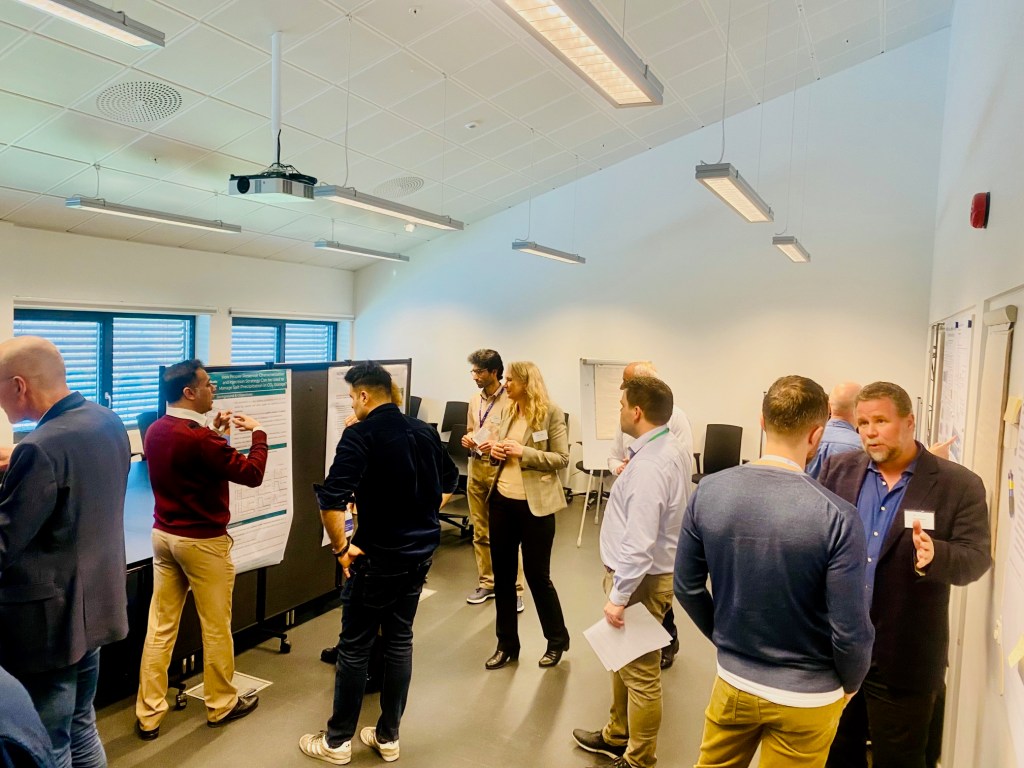
Eleven participants, including PhD students from NORCE, were involved in a poster presentation centered around the themes of improved exploration, sustainable recovery, and energy efficiency.

Participation from NORCE

Poster ThemePresenterTitle
Improved ExplorationTongtong YuIntermittent Multiphase Fluid Flow in Porous Media and the Effect on Injectivity and Reservoir Performance
Sustainable RecoveryJan Ludvig VinninglandIORSim – A field-scale geochemical solver
Sustainable RecoveryMathias Methlie NilsenRobust Wind-powered Well Control Optimization
Sustainable RecoveryPeter von SchulzendorffA machine-learned near-well model in OPM
Sustainable RecoveryOlav AursjøWorkflow for Direct Pore-scale Simulation of Relative Permeability and Capillary Pressure Curves at Low Capillary Numbers
Sustainable RecoveryArne StavlandWater Control – How to Use Oil Soluble Compounds to Selectively Reduce the Water Permeability
Energy EfficiencyNematollah ZamaniHow proper reservoir characterization and injection strategy can be used to manage salt precipitation in CO2 storage
Energy EfficiencyJohn ZutaSCAL model for CCS – Insights from the first commercial CO2 project on the Norwegian Continental Shelf, Northern Lights
Energy EfficiencyRoman BerenbleyumSubsurface site within the energy value chain
Energy EfficiencyJohan Olav HellandTrapping and Ostwald ripening of gas in the presence of oil and water in subsurface storage
Energy EfficiencyYing Guo, Reza AskarinezhadNORCE Technology Park at Risavika – Test centre for Renewable Energy and Biotechnology for Circular Economy

Porous Media Group (PMG) study tour 2024

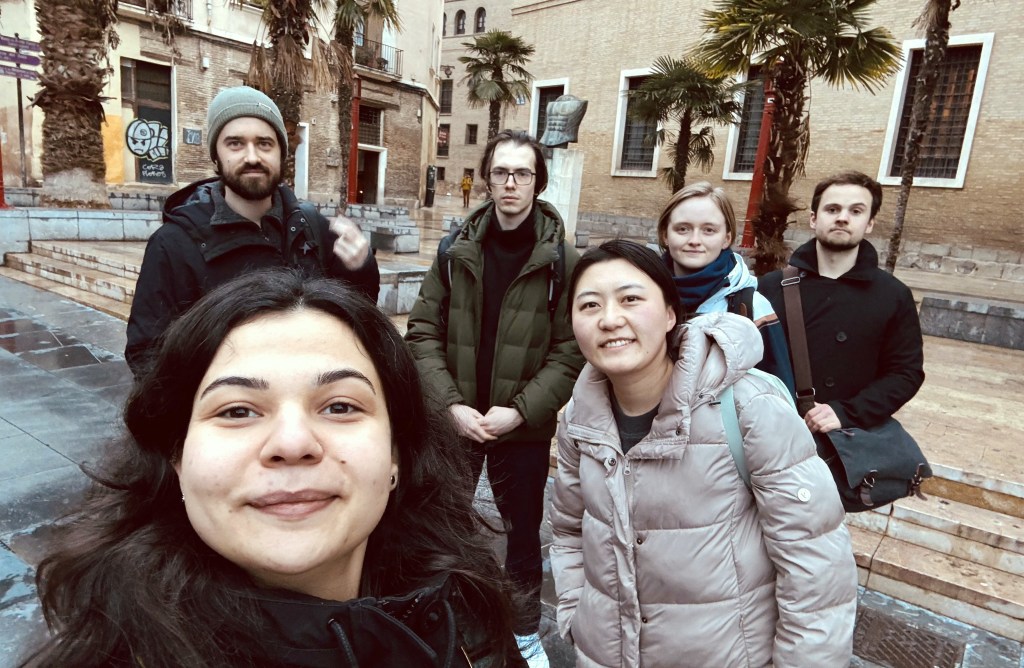
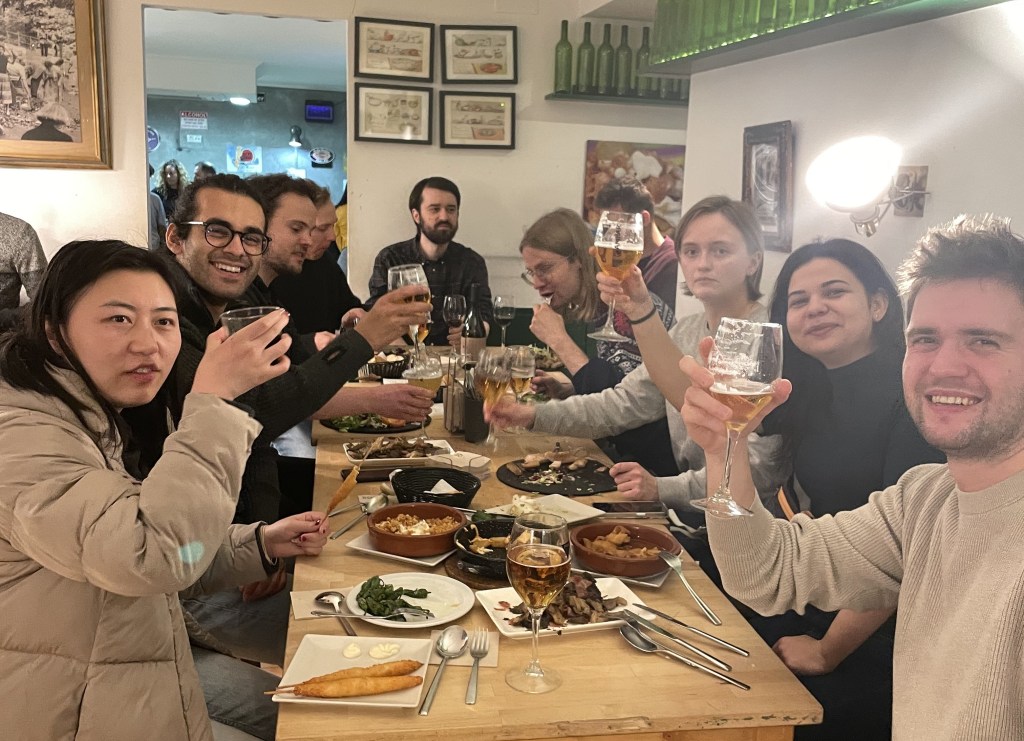
This January, two of our PhD students, Eda Önal and Peter von Schultzendorff, went on a study and research tour together with nine other PhD and MSc students from the Porous Media Group (PMG) at UiB. They visited three research groups that have long-lasting collaborations and friendships with the Porous Media Group.

Report on the tour written by the students

The study tour began with a trip to Oslo, where we engaged in a workshop at the Simula Research Center. The focal point of the day was the presentation of research by PhD students from both Simula and the PMG. The Simula group has a special interest in simulating blood flow in the brain, while our presentations focused on theoretical and practical aspects of subsurface simulations. In the evening, we joined our friends at Simula for a session in the sauna and a swim in the freezing fjord.

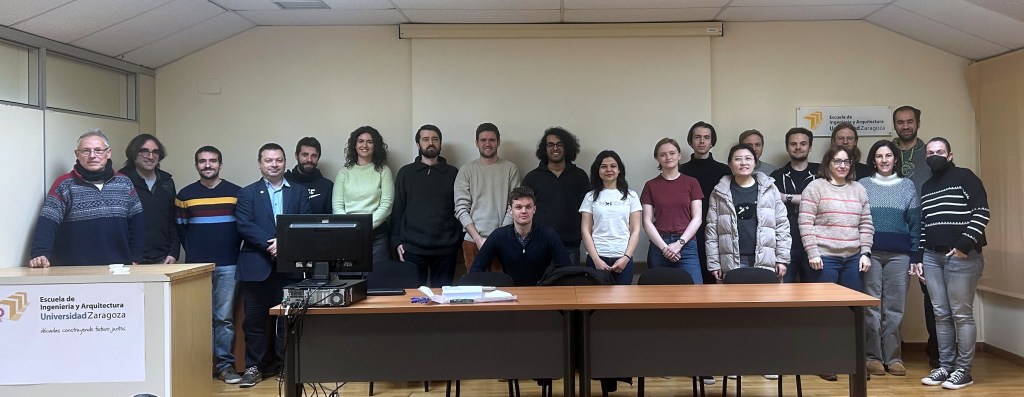
Our itinerary then led us to Zaragoza, Spain, where we visited the Institute of Mathematics and Applications (IUMA). The primary agenda involved the presentation of research findings by our PhD students and researchers at IUMA who presented on discretization methods and numerical Solvers. The day concluded with a dinner with the IUMA group where we got to experience the delicious cuisine of northern Spain.

The final leg of our trip took us to Barcelona, where we collaborated with the Universitat Politècnica de Catalunya (UPC). The day was dedicated to a workshop, with special focus on the hydrology research conducted at UPC, promoting a substantial exchange of ideas. Some members took the opportunity to explore the iconic La Sagrada Familia.

The study tour was made possible thanks to funding from Akademiavtalen as well as the individual projects of the PhD candidates, CSSR, MaPSI, and Vista CSD.

SPE11: More than 40 confirmed participants

The deadline for submitting participation agreements for SPE11 has now passed, and we are very excited to see that more than 40 teams have signed up! These include all relevant sectors, and are spread across the globe. 

Two of the study leads, Professors J. M. Nordbotten and Martin Fernø, are Focus Area Leads and deputy directors of CSSR.

The 46 participants from all corners of the world will be working on their solutions through 2024, with final results due to be submitted in September. After spending the winter analyzing the submissions, the conclusions of the study are expected to be presented at the 2025 SPE Reservoir Simulation Conference. Further details on the study can be found at spe.org/csp.

We are extremely honored to see the
response our SPE11 description has received
in the community and are thankful to all the research groups that have chosen to prioritize time and resources to participate in the study. 46 participating groups is beyond any of our expectations and is by far a record for any
SPE comparative solution project and promises to make the SPE11 a milestone within computational simulation of geological

carbon storage.

Jan Martin Nordbotten, CSSR centre deputy
Photo: Martin Fernø, Lluis Saló-Salgado and Jan Martin Nordbotten

Background

The 11th Society of Petroleum Engineers (SPE) comparative solution project (known
as the SPE11), was launched in 2023 at the SPE Reservoir Simulation Conference. The study consists of three datasets built around a common geometry, and is motivated by
the simulation challenges associated with CO2 storage operations in geological settings typical of the Norwegian continental shelf.

During the development of SPE11, three CSSR partners – NORCE, SLB and Stuttgart University – were involved in the quality control and the testing of the datasets. This pre-launch process allowed reservoir simulation groups from academia and industry to provide feedback on the simulation challenges involved in the SPE11.

FluidFlower experiment on YouTube

The FluidFlower experiment is a powerful experimental and communication tool — making visible what no one has ever seen before. A new video explains what happens to CO2 stored deep below the ocean’s surface. CSSR centre deputies Martin Fernø (UiB/NORCE) and Jan Martin Nordbotten (UiB/NORCE) explain the context of the experiments.

The video was produced by Wintershall Dea, an industry partner in CSSR.

CSSR @ SIAM Geosciences Conference 2023

June 19 – 22, the SIAM Conference on Mathematical & Computational Issues in the Geoscience (GS23) was held in Bergen. The conference was co-chaired by CSSR deputy director Jan Martin Nordbotten. In the Local Organizing Committee, we also recognize many others from the CSSR team: Sarah Gasda, Eirik Keilegavlen and Jakub Both. 

The conference had 350 registered participants from the whole geoscience’s community. At the first day, the FluidFlower experimental rig was in the center of attention both in the icebreaker in the evening, and during several concurrent sessions. During the icebreaker Jan Nordbotten announced the first ever live experiment at a conference venue, as CO2 was injected in the FluidFlower in front of engaged participants! Our partner Wintershall Dea sponsored part of the icebreaker.  

Throughout the week, the CSSR team participated in organizing 4 mini-symposiums, contributed to 15 scientific talks, presented posters, and promoted some of the research being done in our Centre. In addition, all our international partners represented by collogues from Imperial College London, Oregon State University, Stuttgart University, TNO, and TU Delft, contributed to the program. 

The conference demonstrated that the FluidFlower experimental has become an arena for international verification of geological carbon storage simulation capabilities. In addition, much of the centers dedicated research on advanced methods for data-driven modeling in porous media applications was presented through the work of Birane Kane, Jakub Both, Eirik Keilegavlen and others. Our PhD student Peter von Schultzendorff gave a very interesting talk onTwo-Phase Flow with a Data-Driven Flux Mode.  

The CSSR team was particularly visible in the mini-symposium on Testing Predictive Capabilities of Geologic CO2 Storage with Meter-Scale Laboratory Experiments, organized by CSSR deputy directors Martin Fernø and Jan Nordbotten. In the same mini-symposium, results from David Landa-Marban on An Open-Source Image-Based History Matching Framework for the FluidFlower Data Set was presented. The CSSR team was also co-organizing a mini symposium on Developing Complex Simulation software, which cumulated in an interesting panel debate where Tor Harald Sandve participated.  

On Tuesday many of the delegates attended an exciting excursion to the Northern Lights CCS site in Øygarden. The conference-dinner on Wednesday was held in the spectacular venue at the Aquarium in Bergen. Overall, an inspiring week with many scientific discussions and highlights.  

Photos by Trine Mykeltvedt and Sergey Alyaev 

New paper in Physics of Fluids selected as Editor’s pick

Digital rock physics has been in use for the last 30 years as a method to extract petro-physical properties from digital scans of reservoir rocks or reservoir rocks analogs. This is a multi-stage process that includes collection of representative samples, digitalization of the rock’s pore space and numerical simulations of the physical properties we want to study.

One challenge, from the numerical simulation perspective, is that simulating how fluid flows inside the rock is very computational demanding, so that we want to use fast fluid solvers. A problem with these solvers for intermittent flooding scenarios is that they exaggerate compressible effects in fluid simulations for complex geometries, like porous media, and can even induce spurious acoustic phenomena.

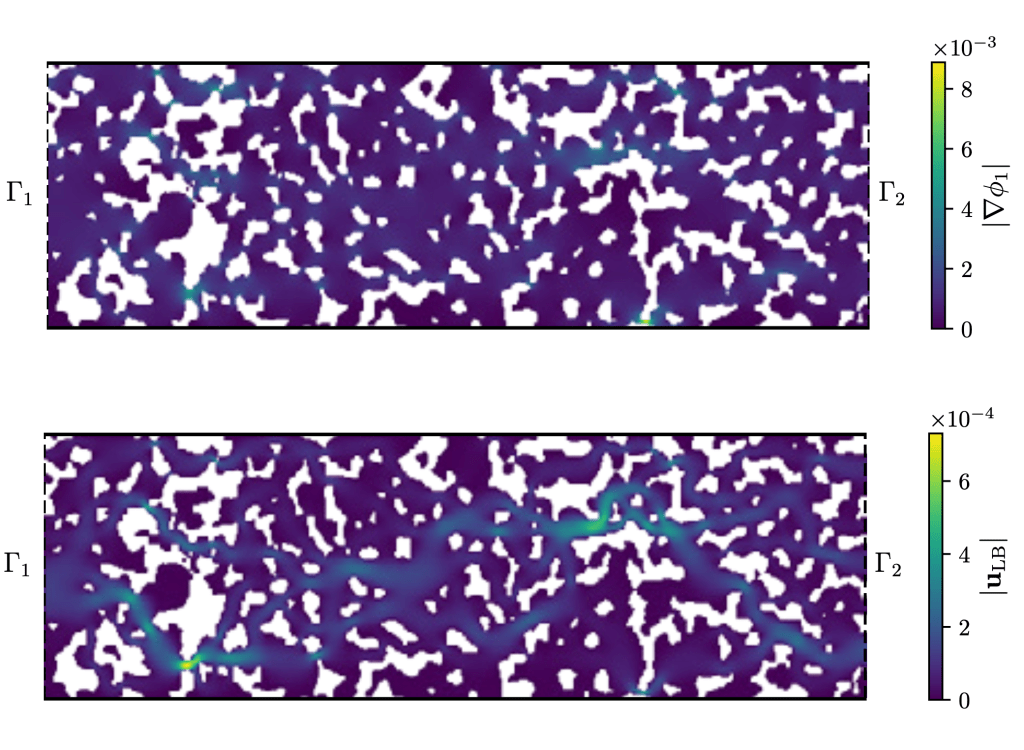
The top subfigure shows the magnitude of a force field representing a pressure driven flow. Note how the force magnitude adapts to the pore geometry. The bottom subfigure shows the associated velocity field.

A standard method to remove these unwanted effects is to use an implicit numerical solver, which is the natural choice for stationary problems. However, for dynamic systems, where boundary pressures and/or fluxes change rapidly, implicit solvers can impose a heavy computational burden.

In the article “A generalized bodyforce scheme for lattice Boltzmann simulations of incompressible flow in complex geometries” we describe a faster method for solving incompressible multi-phase fluid flow problems, which works well within CSSR’s focus on intermittent flooding scenarios.

Lead author, Espen Jettestuen (WP1 leader)

Our method is a generalization of the well-established forcing method, which is used to induce flow where the inlet and outlet are positioned opposite of each other in a regular computational domain. In this paper, we show that our method performs well for general complex geometries with multiple open boundaries. We also show that our method improves the simulation of systems where the standard forcing scheme is applicable. The only increase in computational time is during the initialization step, so there are no additional costs at run-time.


Jettestuen, Espen; Aursjø, Olav; Vinningland, Jan Ludvig; Hiorth, Aksel. A generalized bodyforce scheme for lattice Boltzmann simulations of incompressible flow in complex geometries. Physics of Fluids, 35, (2023).